
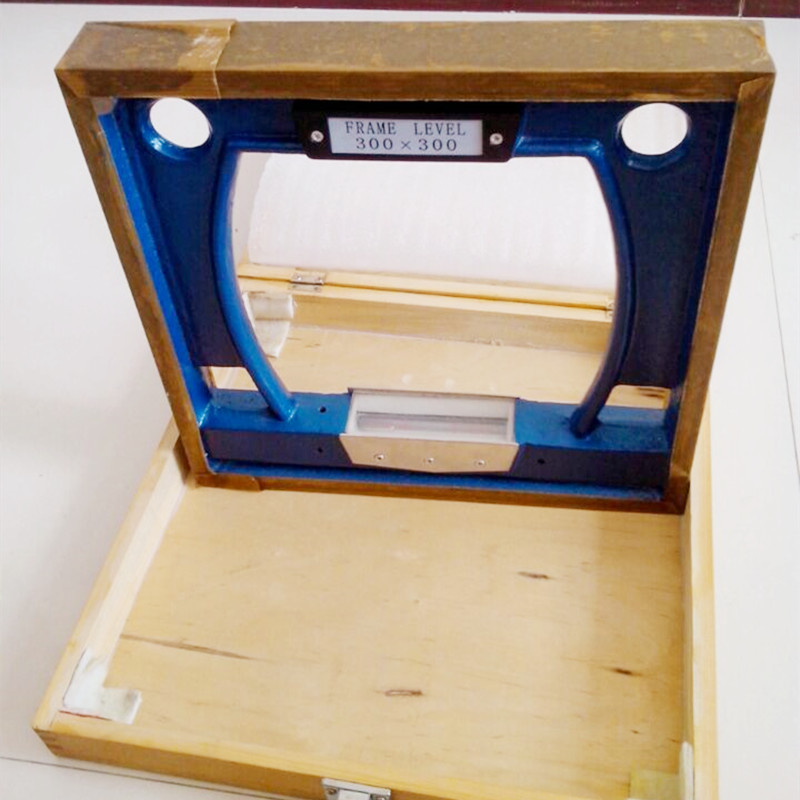
backlit mirror round
Understanding Gauge Pin Class A Comprehensive Overview In the realm of precision engineering and manufacturing, the concept of gauge pin classes plays a pivotal role in ensuring measurement accuracy and quality control. Gauge pins are often utilized as reference tools in the checking of dimensions, particularly in hole diameters, and it is essential to comprehend the various classes and standards associated with them. What are Gauge Pins? Gauge pins, also known as gauge blocks or precision pins, are cylindrical tools used to measure or check the diameter of holes accurately. Typically made from high-quality steel or carbide, these pins are designed to provide a specific diameter that is standardized, allowing for consistent measurements across various applications. They are integral to the fields of manufacturing, quality assurance, and mechanical engineering. Classification of Gauge Pins Gauge pins are classified according to their tolerances, which define how much deviation from the nominal size is permissible. These tolerances are critical to ensure that the parts being manufactured fit together correctly. The common classes of gauge pins include 1. Class A These pins have the tightest tolerances and are used in applications where precision is paramount. They are ideal for industries that require high-quality measurements and fittings, such as aerospace and automotive sectors. 2. Class B This class allows for slightly larger tolerances than Class A while still maintaining high levels of accuracy. Class B gauge pins are often used in situations where some degree of tolerable variation is acceptable, making them versatile for general engineering applications. 3. Class C Class C pins have the widest tolerances and are typically employed in applications where precision is less critical. They are commonly used in initial checking processes or for parts that do not require a high level of accuracy. gauge pin class The classification of gauge pins ensures that engineers and quality control professionals can choose the right tool for their specific needs, improving efficiency and accuracy in the manufacturing process. Standards and Measurement The tolerances associated with gauge pins are defined by various international standards. One of the most recognized standards is ISO (International Organization for Standardization) 286, which outlines the general principles of dimensional tolerancing. These standards are crucial as they provide a universal language for manufacturers, helping to ensure that different components fit together seamlessly regardless of where they were produced. Accurate measurement using gauge pins involves the right techniques. For instance, when measuring a hole, the pin should be inserted with a steady force to avoid altering the reading due to unexpected flexing or misalignment. It’s also vital to ensure that the pins are clean and free from debris to maintain the integrity of the measurements. Applications of Gauge Pins Gauge pins are widely used across various industries. In manufacturing, they are used to verify hole sizes, ensuring that parts assemble correctly. In quality control, they help in validating the production processes by confirming that components meet specified tolerances before they leave the factory. Moreover, in the tool and die industry, gauge pins are used as references for creating molds and dies, which must be manufactured to exact specifications. They also find applications in the calibration of measuring equipment, providing reliable benchmarks that enhance the precision of other measurement tools. Conclusion In conclusion, gauge pin classes are essential elements in the field of precision measurement and quality assurance. Understanding the different classes, tolerances, and applications of gauge pins enables engineers and manufacturers to select the right tools for their specific needs, promoting high standards of accuracy and efficiency in production. As industries continue to demand higher precision, the importance of gauge pins and their classification will only grow, underscoring their integral role in the future of manufacturing and engineering. Whether in aerospace, automotive, or general engineering, the significance of gauge pins remains undeniable, confirming their place as indispensable tools in the quest for quality and precision in modern manufacturing.
about
backlit mirror round
The Importance of Surface Plates in Precision Measurement When it comes to achieving precise measurements in manufacturing and engineering, the importance of a high-quality surface plate cannot be overstated. Surface plates serve as a fundamental tool for measuring, supporting, and inspecting various components across diverse industries. Their design, material, and applications make them essential instruments in precision measurement processes. A surface plate is essentially a flat, stable support structure made from materials such as granite, cast iron, or stainless steel. The choice of material is crucial as it affects the plate's durability, thermal stability, and ability to resist wear. Among these materials, granite is often favored due to its inherent stability and resistance to deformation. Cast iron plates, on the other hand, can offer greater resilience under heavy loads but may be subject to rust if not adequately maintained. Stainless steel plates are known for their resistance to corrosion, making them suitable for environments where exposure to moisture or certain chemicals is a concern. The primary purpose of a surface plate is to provide a reference plane for dimensional measurement. In inspecting workpieces or assemblies, a surface plate acts as a baseline from which measurements can be taken . This is particularly important in industries where precision is paramount, such as aerospace, automotive, and semiconductor manufacturing. By placing a component on a surface plate, engineers can use various measuring tools—like calipers, micrometers, or coordinate measuring machines (CMMs)—to assess dimensions accurately, ensuring that they meet rigorous specifications. surface plate An essential characteristic of surface plates is their flatness. A high-quality surface plate can achieve a flatness tolerance much tighter than many other surfaces encountered in manufacturing. This precision is vital, as even minor deviations can lead to significant errors in measurement and, subsequently, in the production process. Regular calibration and maintenance of surface plates are paramount to preserving their accuracy. Users should clean the plates regularly to remove any debris and ensure they are stored correctly to prevent damage. Surface plates can also come equipped with additional features, such as T-slots, which allow for the attachment of other measurement tools, clamps, or fixtures. These modifications can enhance their versatility and convenience, making them practical for various tasks and setups. Portable surface plates, made from lightweight materials, are also available for use in field situations or smaller workshops where space is a constraint. Education and training in the proper use of surface plates are crucial for quality control personnel. Understanding how to position components accurately, read measurement tools, and interpret results correctly can significantly influence the efficiency and accuracy of the measurement process. Moreover, knowledge of how to maintain and calibrate these plates ensures they continue to provide reliable performance over time. In conclusion, surface plates are indispensable assets in precision measurement and quality control processes across multiple industries. Their design, materials, and functional capabilities make them instrumental in ensuring that manufactured parts meet stringent specifications. As industries continue to embrace more advanced technologies and methodologies, the role of surface plates remains vital, highlighting the need for ongoing investment in their quality, maintenance, and operator training. The pursuit of precision is a continuous journey, and surface plates are at the forefront of this essential endeavor.
-

High quality industrial productsagement

High quality industrial products
View Details -

Meet the diverse needs of customers

Meet the diverse needs of customers
View Details -

Strict quality control

Strict quality control
View Details -

Top raw materials

Top raw materials
View Details -

Trusted supplier

Trusted supplier
View Details
Our application


news and information

Various control valve types and their practical uses in different applications
Control valves are an essential component in various industries and applications, helping regulate t

Water Percentage Cut-Off Valve for Efficient Flow Control Systems
Understanding Water Cut-Off Valves An Essential Component in Fluid Management Water cut-off valves a

Vannventil for kontroll av vannstrøm og trykkregulering
Vannventilens Rolle i Vannfordeling Vann er en av de mest essensielle ressursene på jorden, og forva
 English